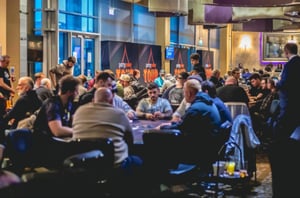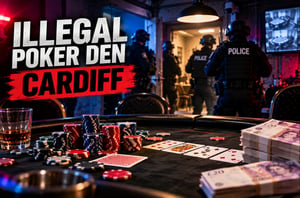
Two Men Sentenced Over Illegal Cardiff Poker Den
07 Oct 2026Read More
Dutch Regulator Bans Streamers
- Dutch gambling regulator's ad ban now includes online personas as 'role models'.
- Aimed at protecting minors from gambling exposure.
- Operators must review and cease collaborations with high-risk creators.
The Dutch gambling regulator has expanded its role model advertising ban to include streamers, bloggers, and influencers.
The Dutch gambling regulator has issued fresh guidance confirming that influencers, streamers and other online personalities are covered by the Netherlands’ “role models” ban for online gambling advertising.
The clarification was published on 24 February 2026 and urges licensed operators to end any collaborations with these figures as soon as possible.
The regulator’s position is straightforward: if someone’s public reach makes them attractive for marketing, they can qualify as a “role model” and therefore cannot be used to promote or endorse online games of chance.
The guidance makes clear this is not limited to only the biggest names; bloggers, vloggers and streamers may be in scope when their audience and visibility make them viable advertising vehicles.
The policy intent is consumer protection, with a specific focus on minors and young adults who are more likely to identify with creators and online personalities.
The regulator says the ban exists to reduce exposure and protect vulnerable groups, and that it stepped in with additional explanation after seeing uncertainty among licensees about who is covered.
What it means for poker and iGaming marketing
For operators and their marketing partners, the message is operational: review creator campaigns, terminate arrangements that involve “role models,” and avoid indirect endorsements that still amount to promotion.
For poker communities, the impact is most visible in the influencer-heavy channels such as creator integrations, affiliate-driven ambassador deals, and social-first acquisition strategies where compliance risk now sits front and centre.
I’m not going to name individual streamers here unless they’re explicitly identified in an official enforcement notice, because “a list of people at risk” can easily turn into targeting or harassment.
What I can do is map out the streamer profiles that are most exposed under the Dutch “role model” advertising ban as the regulator has clarified it.
Streamer profiles most at risk (non-exhaustive)
1.Any Dutch-language creator doing sponsored gambling streams
- Stream overlays, promo codes, “partnered with” disclosures, or paid segments for online casino/sportsbook/poker brands.
- Even if the content is framed as “entertainment,” if it functions as promotion, it’s high-risk.
2.Creators pushing affiliate acquisition
- Trackable links, “sign up here” CTAs, revenue-share affiliate pages, or “bonus” messaging tied to a gambling operator.
- This is especially exposed because it’s directly measurable marketing.
3.Streamers whose audience skews young
- If a creator’s reach and popularity make them a “role model,” they’re in scope—particularly where youth exposure is a concern (the regulator’s core rationale).
4.Lifestyle / gaming / esports creators who “occasionally” do gambling promos
- The risk isn’t limited to “gambling-only” channels. Mixed-content creators can be more problematic if they bring gambling ads into non-gambling audiences.
5.“Educational” gambling content that still markets an operator
- Strategy, bankroll, “how to play” or “how to win” content can still be promotional if it features a brand partnership, sign-up pushes, or product placement.
6.Creators used in operator campaigns as brand faces
- Ambassadors, “team” members, recurring presenters, or anyone positioned as a recognisable figure for the operator.
Quick self-check: “Would this likely be treated as promotion?”
A streamer is in the danger zone if any of these are true:
- Paid by an operator (cash, rakeback deal, reimbursed deposits, free entries tied to promotion)
- Uses promo codes or affiliate links
- Encourages sign-ups, deposits, or “play now”
- Appears in operator ads or branded social content
- Is a recognisable public personality (the “role model” concept)
Upcoming Events
10 October 2026
Poker EventsStarts in
Latest News
-
 Poker Club Raid
 -
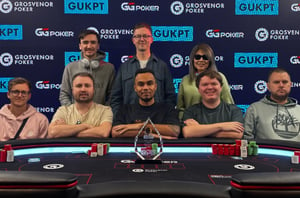
GUKPT Leeds 202612/1 Shot to Leeds Champion: Cush Berlyn Completes GUKPT Comeback06 Oct 2026Read More
-
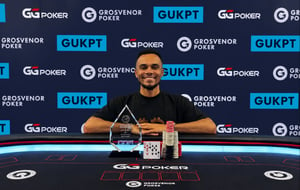
ME ChampionCush Berlyn Wins 2026 GUKPT Leeds Main Event for £43,49005 Oct 2026Read More
-
€100K GTD ME€100K Guaranteed Main Event Headlines partypoker Tour Cork02 Oct 2026Read More
-
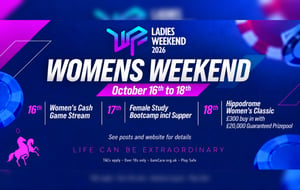
UK Ladies WeekendUK Ladies Weekend Sells Out Saturday Ahead of £20K Hippodrome Finale02 Oct 2026Read More