Two Men Sentenced Over Illegal Cardiff Poker Den

bjorn-lindberg
3 hours ago
Bjorn Lindberg 3 hours ago
Share this article
Or copy link
  • Two men received suspended prison sentences for running an illegal poker operation in Splott, Cardiff.
  • The poker games were linked to organised crime, exposing players to debt and criminal risks.
  • Authorities continue to target unlicensed gambling venues, underscoring the need for regulation and player protection.
Two Cardiff men have received three-year prison sentences, suspended for three years, after admitting offences involving criminal funds generated through an illegal poker operation in Splott.

Noor Rassam, 29, from Pentwyn, and Panayiotis Karayiannis, 30, from Pontprennau, ran poker games from an upstairs room in an industrial unit between August 2022 and February 2024. Both pleaded guilty to possessing and transferring criminal property under the Proceeds of Crime Act 2002.

A further Proceeds of Crime Act hearing is scheduled for 9 April 2027, meaning the financial consequences of the case have yet to be fully settled.

Inside the Splott poker operation

This was a long way from a casual home game.

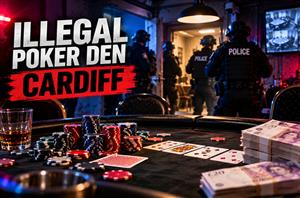
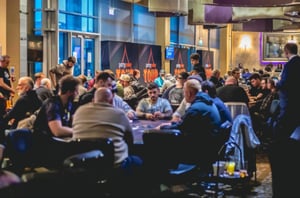
The upstairs room had been fitted with six poker tables, a spinning prize wheel, seating areas and fridges stocked with drinks and snacks. Investigators also found poker chips, tokens and records of money paid and owed, while a Perspex-protected cashier window had been installed in an office.

Access was reportedly through a fire exit monitored by CCTV controlled by the organisers.

The games were offered both live and online. Investigators said WhatsApp was used to promote the operation, with the live games initially advertised as “Ding Ding Poker” before being rebranded as “Fish Tank Poker Cardiff”. Online play was offered under the name “Fish Tank Online”.

Financial enquiries identified around £260,000 in third-party payments to Rassam and approximately £124,000 to Karayiannis during the period in which the venue operated. The men made money by taking a rake from poker hands.

The operation came to an end after warrants were executed in February 2024 by Tarian, the Regional Organised Crime Unit for southern Wales, with support from the Gambling Commission, HMRC and Cardiff Council’s Licensing Department.

Links to serious criminality

The case became more serious than simply running poker without the required permissions.

Tarian said investigators found evidence that the games had been promoted to people involved in serious crime, including drug dealers and members of organised crime groups. Detective Constable Charles Lan said some players had also lost substantial sums and become indebted to the organisers.

That is where the distinction between regulated poker and an illegal commercial game becomes important.

Poker can legally be offered in Britain in a number of settings, but the rules depend on where and how it is organised. Casinos require the appropriate licences, while pubs and clubs operate under specific exemptions, stake limits and prize limits. A commercial poker club established primarily to provide gaming requires the relevant Gambling Commission operating licence and premises licence.

Players using regulated UK poker sites or licensed land-based card rooms also have protections that simply do not exist in an unlicensed operation.

UK enforcement against illegal gambling continues

The Cardiff sentencing is not an isolated enforcement action.

In July 2026, authorities raided two unlicensed venues in Doncaster, finding poker tables, slot machines, account books and just under £9,000 in cash. Eight people were arrested, although no final court outcomes were announced in the Gambling Commission’s initial update.

Manchester has also seen repeated action this year. Two people were arrested following a May raid on a suspected illegal gambling den, while a separate operation in September resulted in four arrests and more than £20,000 in cash being seized.

The Gambling Commission has repeatedly argued that unlicensed gambling is not a victimless offence. In the Cardiff case, the regulator pointed not only to criminal funds, but also to the absence of safeguards for vulnerable players.

For the UK poker community, that is the real takeaway. There is a clear legal difference between playing poker privately, playing in a properly licensed venue and running a commercial card room outside the regulated system. The Splott operation crossed that line, and the case is not finished yet.

Upcoming Events